How to Clean Solar Panels the Right Way — Best Methods and Cleaning Frequency Explained

Your solar panels work silently every day — converting sunlight into electricity, reducing your PSEG Long Island bill, and paying back your investment over time. But that process depends entirely on how much sunlight actually reaches the panel surface. Pollen, bird droppings, salt air from Long Island's coastline, and hard water mineral deposits all build up quietly on your glass — and every layer costs you energy output you're not recovering.
Understanding the best Solar panel cleaning service method and the right cleaning frequency for your specific property is the most practical thing a Long Island solar homeowner can do to protect their investment. Here's exactly what works — and what doesn't.
The Best Solar Panel Cleaning Methods
Not every cleaning approach is
safe for photovoltaic glass. The wrong method — abrasive materials,
high-pressure spray, or mineral-laden tap water — can scratch anti-reflective
coatings, force water into sealed frame joints, or leave deposits that are worse
than the original dirt. Here's what professional cleaning actually looks like:
•
Purified deionised water only: Tap water
contains calcium and magnesium that dry white on warm glass — adding mineral
deposits with every rinse. Deionised water contains zero dissolved minerals,
leaving panels genuinely spot-free as it evaporates. This is the single most
important difference between professional and DIY cleaning results
•
Soft-bristle brush application: Apply water
using a soft-bristle brush specifically designed for photovoltaic glass — never
abrasive sponges, rough cloths, or steel wool. Micro-scratches from abrasive
materials accumulate over dozens of cleaning cycles and permanently reduce
light transmission through the anti-reflective coating
•
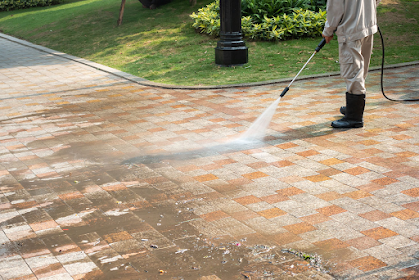
No high-pressure spray: Pressure washing forces
water into the sealed joints around panel frames, compromising the
weatherproofing that protects internal components. A gentle rinse with
controlled water flow is always sufficient when done with the right tools
•
Clean in the early morning or evening: Cleaning
panels in direct midday sun causes water to evaporate before the rinse is
complete, leaving spots and streaks behind. Early morning or late afternoon —
when panels are cool — gives the water time to work properly
•
Always turn off the system first: Before any
cleaning, power down the solar system and disconnect from the grid. Water and
live electrical components are a serious hazard — this step is non-negotiable
|
What NOT to use on solar panels: Tap water · abrasive pads or
sponges · pressure washers · harsh detergents or chemical solvents ·
squeegees with metal components · cleaning in direct midday sun. Each of
these either damages the glass surface, compromises frame seals, or leaves
residue that reduces panel efficiency. |
Solar Panel Cleaning Frequency — How Often Is Often Enough?
Cleaning frequency isn't
one-size-fits-all. On Long Island specifically, your location, roof angle, and
surrounding environment all affect how quickly buildup accumulates:
•
Coastal properties near Manhasset Bay, Great South
Bay, or Long Island Sound: Every 6–8 weeks. Salt air deposits compound
rapidly and mineral film builds with every tidal weather cycle
•
Inland Nassau and Suffolk County homes: Twice a
year minimum — late spring after peak pollen season and late autumn before
winter. These are the two highest-impact cleans of the year
•
Homes under mature tree coverage: Every 3–4
months. Heavy organic debris, sap, and increased bird activity near trees
accelerates buildup significantly faster than open-sky installations
•
Flat or low-tilt roof installations: More
frequently than steep-pitch arrays. Flat panels don't self-drain during rain —
debris pools and sits, compounding efficiency loss faster than on angled
installations
One reliable indicator: if you can see discoloration, streaking, or bird dropping spots from ground level, your panels are already losing measurable output. At current PSEG Long Island rates — among the highest in the country — even a 10% efficiency loss from dirty panels represents real money lost every month.
When to Call a Professional Instead of DIYing It
For light dust between services,
a soft brush on an extension pole with clean water is a reasonable interim
step. But for anything involving real buildup — pollen cement, hardened bird
droppings, mineral deposit rings, or salt film from coastal exposure —
professional cleaning with a purified water system is the right tool.
The practical reasons to go
professional:
•
Rooftop safety: Falls from ladders are among the
most common home injury causes — professional teams use appropriate equipment
and carry full insurance
•
Warranty protection: Some panel manufacturer
warranties include maintenance provisions — incorrect cleaning methods can be
grounds for voiding coverage
•
Deionised water access: The purified water
systems professionals use are not practical for homeowner DIY — and tap water
cleaning often makes mineral buildup worse, not better
|
Flawless Window Cleaning — Professional Solar Panel
Cleaning on Long Island: ✔ Purified
deionised water system — zero mineral residue, zero streaks ✔
Soft-bristle brushes only — no scratches, no seal damage ✔ Fully
insured — rooftop work covered on every job ✔ 120+
five-star Google reviews from Nassau and Suffolk County homeowners ✔ Recurring
maintenance plans — we reach out when your next clean is due ✔ Solar
panel cleaning available as standalone or combined with window cleaning |
Frequently Asked Questions — Solar Panel Cleaning
Q: Can I clean my solar panels with tap water and a cloth?
A: Technically yes, but it often
makes the problem worse. Long Island's tap water is high in calcium and
magnesium — minerals that dry white on warm glass and add a new layer of
residue with every cleaning. A soft brush and deionised water is the only method
that leaves panels genuinely clean without introducing new deposits.
Q: Will dirty panels really affect my electricity production?
A: Yes — measurably. Research on
photovoltaic soiling shows energy losses between 5% and 25% depending on the
type and extent of buildup. On Long Island where PSEG rates run around $0.28
per kWh, even a 10% output reduction on a well-sized home system translates to
real money lost each month. Professional cleaning typically pays for itself in
recovered production within weeks.
Q: How long does professional solar panel cleaning take?
A: For a standard residential
array of 15–25 panels, typically 45 minutes to 90 minutes. We include a
pre-clean inspection to flag any damaged panels or lifted seals, and a
post-clean walkthrough confirming every panel has been fully rinsed with our
purified water system.
Q: Do you offer solar panel cleaning combined with window cleaning?
A: Yes — and most of our Long Island clients combine both in a single appointment. Our team is already on-site, the purified water system is set up, and scheduling both together saves time and reduces the cost per service compared to two separate visits.
Q: How do I book solar panel cleaning on Long Island?
A: Call us at +1-516-619-7267 or visit franklinsqwc.com to request a free quote. We serve Nassau and Suffolk County homeowners and will give you a clear, upfront price with no hidden fees.
Ready to get more from your solar investment?
Call Flawless Window Cleaning at
+1-516-619-7267 or visit franklinsqwc.com. Locally owned, fully
insured, and serving Long Island homeowners since 2020.
Comments
Post a Comment